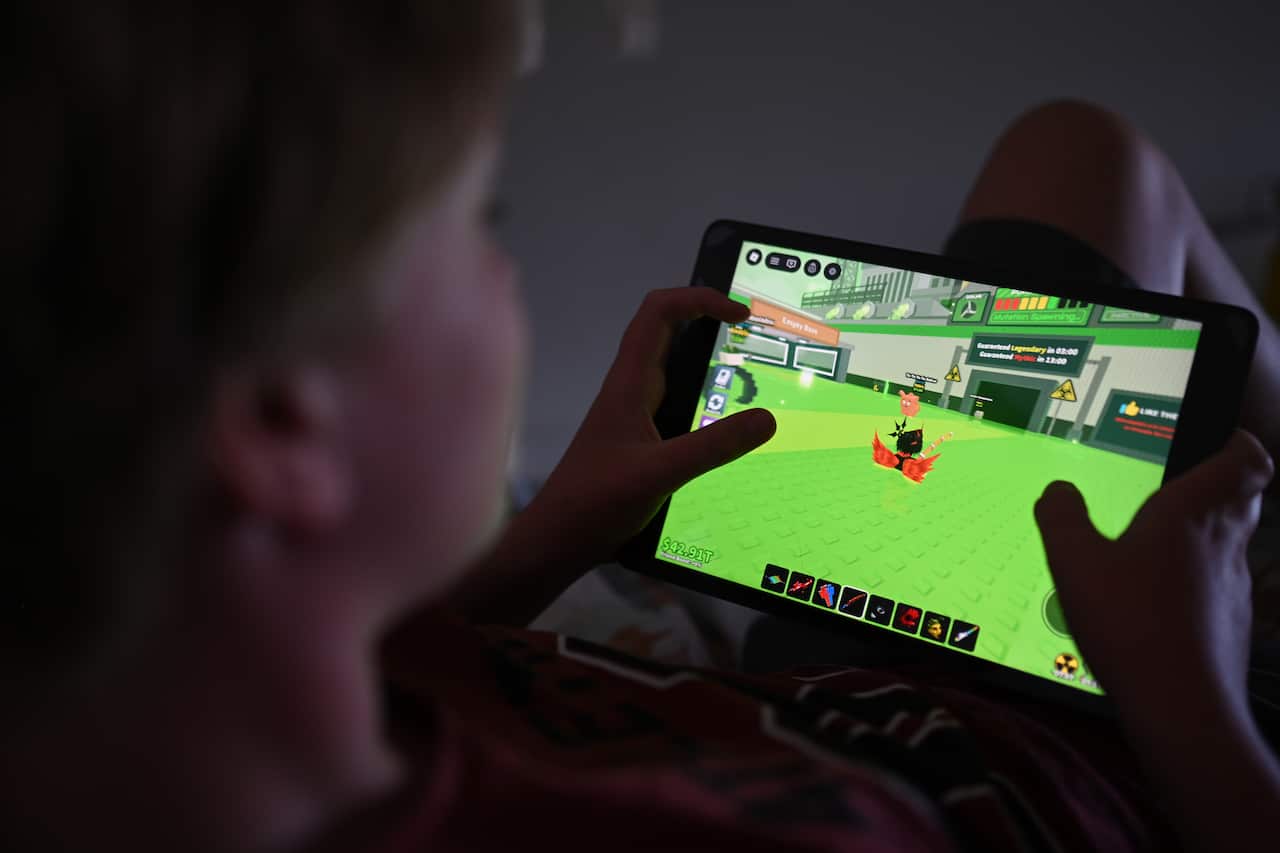
Roblox has made a formal promise to Australia's online-safety regulator about how it will protect users under 16. The promise is called an enforceable undertaking. In plain terms, it is a written commitment that eSafety can take action over if Roblox does not keep it.
The agreement was published on 19 August. It is about three practical things: who can contact a child, what a child's account shows by default and how easily a user can report seriously harmful material.
It does not mean Roblox has been banned in Australia. It does mean the company's safety settings are no longer just a product promise. They are now part of a commitment to the regulator.
What Roblox has agreed to do
eSafety says Roblox will provide tools and settings that stop an adult user contacting an Australian child under 16 unless the child's parent or carer has agreed. It also says under-16 accounts must be private by default.
That “by default” part is important. It means the safer setting should be the starting point, rather than something a child or parent has to find in a long list of options.
The undertaking also covers reporting tools for the most serious kinds of prohibited material. Those tools need to be easy to find and easy to use. A report button does not solve a safety problem on its own, but it is part of how a platform learns about something that needs attention.
What an enforceable undertaking is
An enforceable undertaking is not a fine and it is not a court ruling. It is a commitment accepted by a regulator. If a company breaks it, the regulator can ask a court to enforce it.
eSafety has several ways to respond when it thinks an online service is not meeting the relevant standard. It can issue a warning, give a direction to comply, issue an infringement notice or seek a court order. The Roblox undertaking sits in that same enforcement system.
The regulator's public notice does not say that every Roblox feature has failed or that every reported concern has been proved. It says Roblox has agreed to take specific steps aimed at making sure it does not, or is unlikely to, breach parts of Australia's online-safety standard.
Why the details matter
Roblox is a game platform, but it is also a place where people build worlds, play together and use social features. That combination is why account privacy and contact controls matter so much. A child can be playing a game without thinking of themselves as using a social platform, while still having a profile, a friends list and ways for other users to find them.
The strongest part of the undertaking is its focus on the basic settings around a young account. Can an unknown adult reach the child? Is the account visible before the family changes anything? Can the child report something clearly serious without having to guess where to go?
Those are less dramatic questions than a platform-wide ban, but they are the ones that shape a child's everyday experience.
The wider pressure on Roblox
This is an Australian action under Australia's online-safety rules. It is separate from a United States Senate Judiciary subcommittee inquiry announced earlier in August, which has asked Roblox for records and information about child safety.
The two processes should not be blended together. They have different legal powers and different aims. But they point to the same shift: game platforms with social features are now being asked to show that their safety systems work, not simply say that they exist.
For families, the immediate advice is still simple. Check a child's privacy, chat and parental-control settings. The undertaking should improve the platform's starting point, but it does not remove the need to understand the account a child is using.
For Roblox, the next test is equally simple: whether the promised settings work clearly and consistently when real children and parents use them.


No comments yet. Be the first to add something useful.