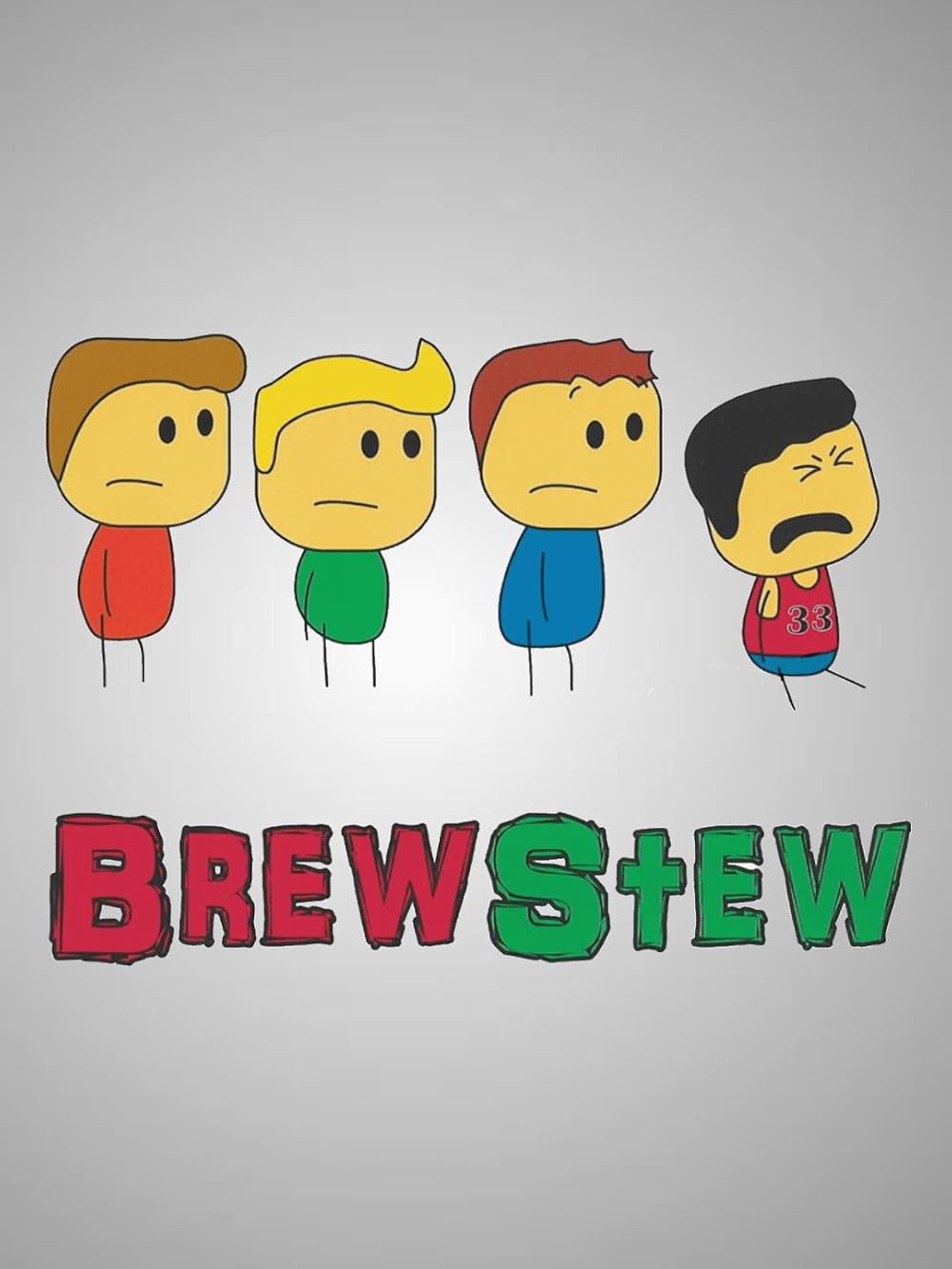
Brewstew Films works because Tyler Rudolph's stories are drawn with the economy of a school-notebook doodle: thick outlines, flat rooms and characters recognisable in a second. The new ‘Realistic Brewstew’ posts take that familiar cast and rebuild it as glossy, three-dimensional people who look almost — but decisively not — human.
Lessons in Meme Culture traced the trend after realistic versions of Tyler, David and Michael began circulating around Brewstew communities. The transformation changes more than the art style. A punchline that feels ordinary in Rudolph's drawings becomes unsettling when the characters acquire pores, fabric textures and fixed plastic expressions.
The audience reaction is part of the format. Fans describe the images as cursed, compare them with body-horror animation and repeat lines from Brewstew videos back at the people making the remakes. The joke is not that the render is convincing. It is that a deliberately low-detail world has been given far more detail than anybody asked for.
That also explains why the trend has attracted criticism. Several community discussions object to the apparent use of generative AI and the imitation of Rudolph's characters. The meme therefore sits in the uncomfortable overlap between affectionate remix, automated knock-off and the internet's dependable urge to make a familiar face slightly wrong.
No comments yet. Be the first to add something useful.